

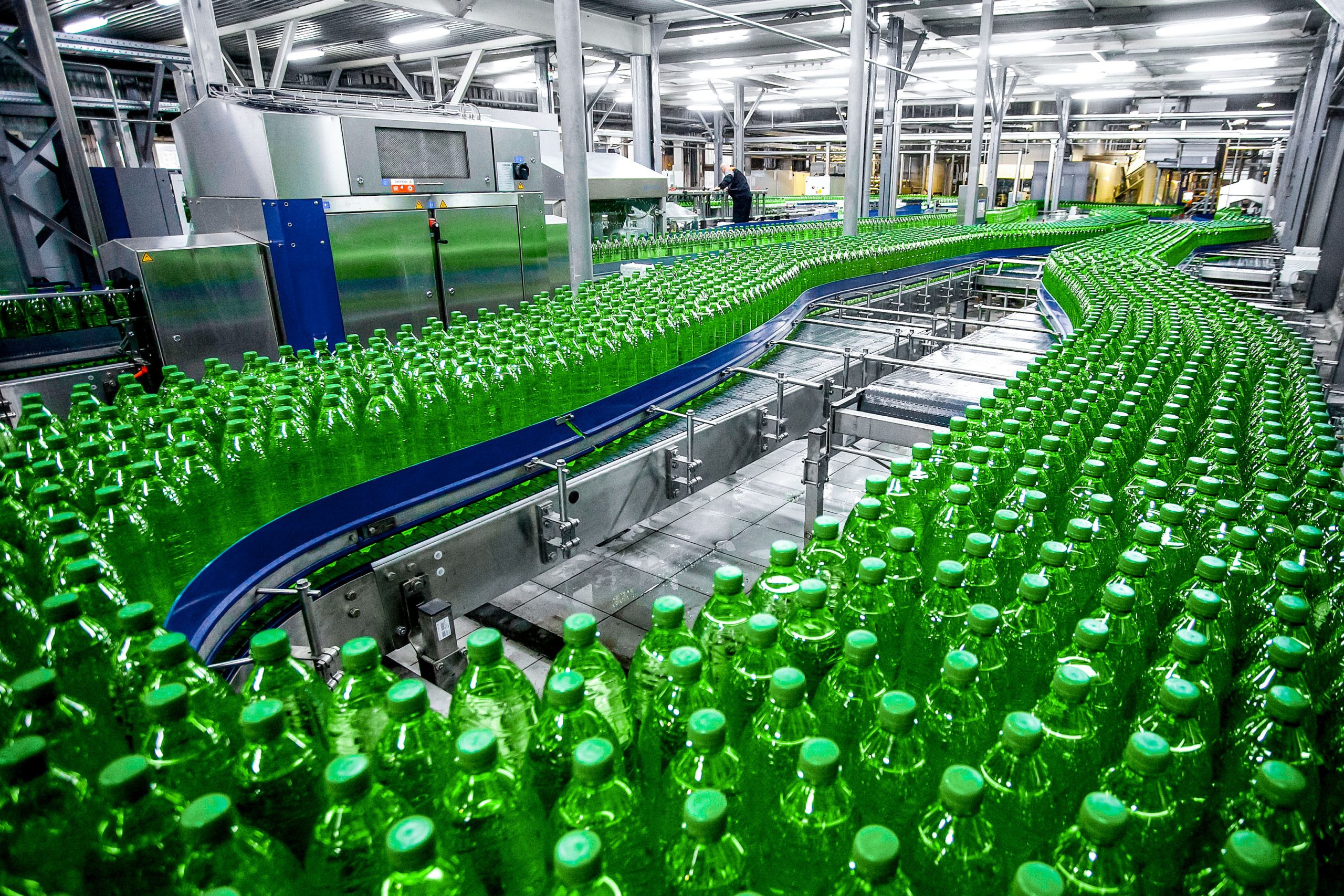
Challenges and requirements of the industry
- Ensuring food safety and production hygiene.
- Maintaining compliance with regulations and quality standards (HACCP, IFS, BRC).
- Continuous control of personnel and raw material access to production zones.
- Rapid identification and reporting of quality incidents and machine failures.
- Efficient supply and shipment logistics – particularly sensitive to time and transport conditions (e.g., cold chain).
- Building a culture of continuous improvement and employee engagement.
LimeBook REJ
Supports safe and efficient handling of visitors and contractors through QR e-passes, self-service kiosks, and dynamic evacuation lists, ensuring full control over personnel flow.
LimeBook SZK
Enables the delivery of health & safety, HACCP, GDPR, and food hygiene training in online, mobile, and on-site modes, automatically monitoring their validity and sending recertification reminders.
LimeBook POZ
Supports the management of permits for high-risk work (hot, electrical, maintenance), providing a multi-stage workflow and SMS/email notifications.
LimeBook RAP
Enables reporting of quality incidents, failures, and hazards directly from the production floor (with photos and voice notes), while automatic task delegation shortens response times.
LimeBook YAM
Ensures efficient logistics by planning deliveries and shipments, managing transport queues and priority deliveries, with full driver communication and delay monitoring.
LimeBook SUG
Allows employees to submit improvement suggestions related to quality, safety, and process efficiency, fostering innovation and engagement.
LimeBook SUG
Enables employees to submit improvement suggestions related to quality, safety, and process efficiency, promoting innovation and engagement.
LimeBook SYG
Enables anonymous reporting of hygiene, ethical, or product safety violations, ensuring regulatory compliance and operational transparency.
LimeBook MAP
Visualizes locations of incidents, clean zones, loading points, and evacuation routes, facilitating audits and risk analysis.
Summary
The implementation of LimeBook in food production facilities enhances safety and hygiene standards, ensures compliance with quality norms, streamlines communication and logistics, and fosters a culture of employee engagement.
As a result, companies achieve higher product quality, greater process transparency, and improved business performance in the competitive food industry.
How to implement LimeBook in your industry?
Contact us. We will create a working group to define the scope of implementation. Together, we will identify the areas of digitization and automation that will deliver tangible business benefits to your organization.