
Challenges and requirements of the industry
Access control for production halls and warehouses.
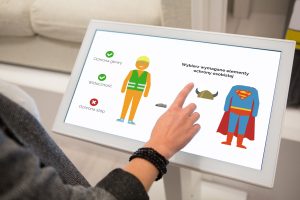
Mandatory health, safety, environmental, and machine operation training.
Issuing permits for hazardous work (such as glass cutting, welding, and work at heights).
Reporting of incidents, machine failures, and quality issues.
Logistics of transporting delicate and large-sized components (windows, doors).
Engaging employees in improvement processes and workplace ergonomics.
Ability to anonymously report safety and environmental violations.
Visualization of work areas, incidents, and logistics points.
LimeBook REJ
Automates the registration of visitors, suppliers, and installation teams through e-passes, kiosks, and QR identification; generates evacuation lists.
LimeBook SZK
Conducts health, safety, environmental, ergonomic, and machinery operation training (for wood, glass, and aluminum processing equipment); monitors certificate validity.
LimeBook POZ
Handles permits for hazardous work with a full approval workflow and offline mode for operations in production halls and construction sites.
LimeBook RAP
Enables reporting of incidents, failures, and quality issues (with photos and voice notes), automatically delegating corrective actions and generating statistical reports.
LimeBook YAM
Manages the transport of large and delicate components, including delivery notifications, time slot reservations, vehicle queues, and communication with drivers.
LimeBook SUG
Allows employees to submit ideas for improving ergonomics, assembly, and material waste reduction, supporting a culture of innovation.
LimeBook SYG
Provides anonymous reporting of violations related to workplace safety, environmental protection, and production quality.
LimeBook MAP
Visualizes locations of incidents, work areas, and logistics points, supporting inspection planning and risk analysis.
Summary
The implementation of LimeBook in the window and skylight manufacturing industry enhances safety, streamlines communication and oversight of external contractors, improves transport logistics, and supports a culture of quality and innovation.
As a result, companies achieve higher operational efficiency, reduced health, safety, and logistics risks, and greater responsiveness to customer and business partner needs.
How to implement LimeBook in your industry?
Contact us. We will create a working group to define the scope of implementation. Together, we will identify the areas of digitization and automation that will deliver tangible business benefits to your organization.