
Challenges and requirements of the industry
Control of entry and access to production halls and warehouses.
Organization of health, safety, ergonomic, and specialist training for numerous employees and contractors.
Issuing and approving permits for particularly hazardous work (such as electrical, welding, confined space, and work-at-height operations).
Reporting of nonconformities, machine failures, ergonomic incidents, and near-miss events.
Planning and control of critical component supply logistics in a just-in-time model.
Engaging employees in submitting process improvement ideas (Kaizen).
Provision of an anonymous channel for reporting ethical, environmental, and health & safety violations.
Visualization of incidents, loading points, and audit zones.
LimeBook REJ
Streamlines the registration of visitors, contractors, and service teams through QR e-passes, kiosks, and automatic identification; generates evacuation lists.
LimeBook SZK
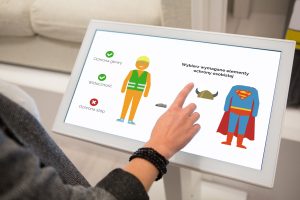
Organizes health, safety, ergonomic, environmental, and machine operation training—delivered online, on terminals, and mobile devices; monitors certificate validity and reminds about recertification.
LimeBook POZ
Handles permits for hazardous work with a multi-stage workflow and offline mode, enhancing control and safety in production halls.
LimeBook RAP
Enables reporting of failures, incidents, and nonconformities with photo and voice documentation; automatically delegates corrective actions and monitors their completion; supports trend analysis and quality reporting.
LimeBook YAM
Manages the transport of components and shipment of finished products: delivery notifications, queues, prioritization of critical supplies (e.g., electronic modules), SMS communication with drivers, and delay monitoring.
LimeBook SUG
Supports a culture of Kaizen and innovation by enabling the submission of improvement ideas related to processes, ergonomics, and material savings.
LimeBook SYG
Provides anonymous reporting of safety, environmental, and ethical violations.
LimeBook MAP
Visualizes locations of incidents, failures, loading points, and audit zones, facilitating inspections and preventive actions.
Summary
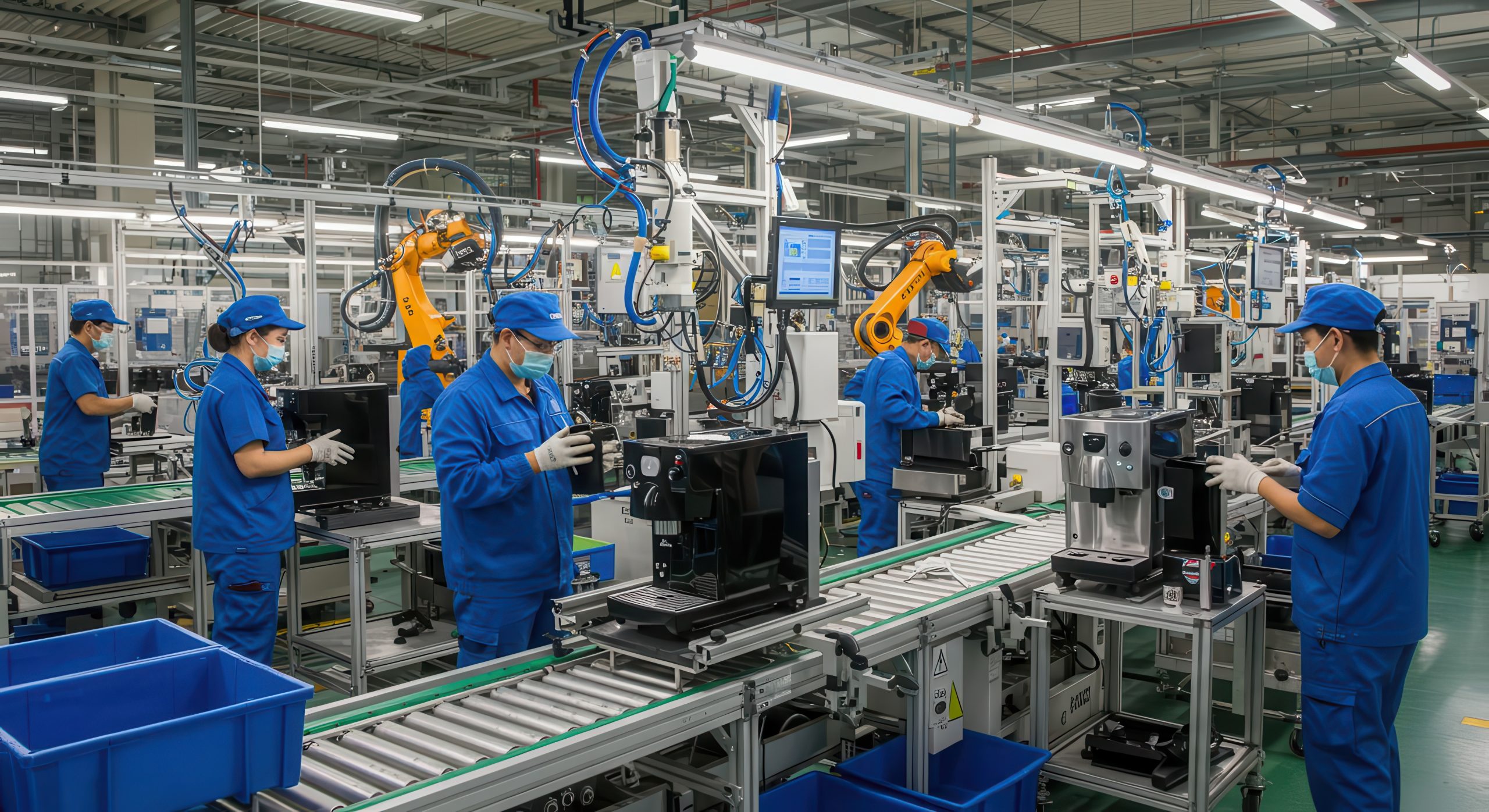
The implementation of LimeBook in the home appliance industry enhances workplace safety and regulatory compliance, streamlines communication and contractor management, improves supply chain logistics, and supports a culture of quality and innovation.
As a result, companies achieve higher operational efficiency, reduced downtime, and greater process transparency, which are crucial in the globally competitive home appliance market.
How to implement LimeBook in your industry?
Contact us. We will create a working group to define the scope of implementation. Together, we will identify the areas of digitization and automation that will deliver tangible business benefits to your organization.