
Challenges and requirements of the industry
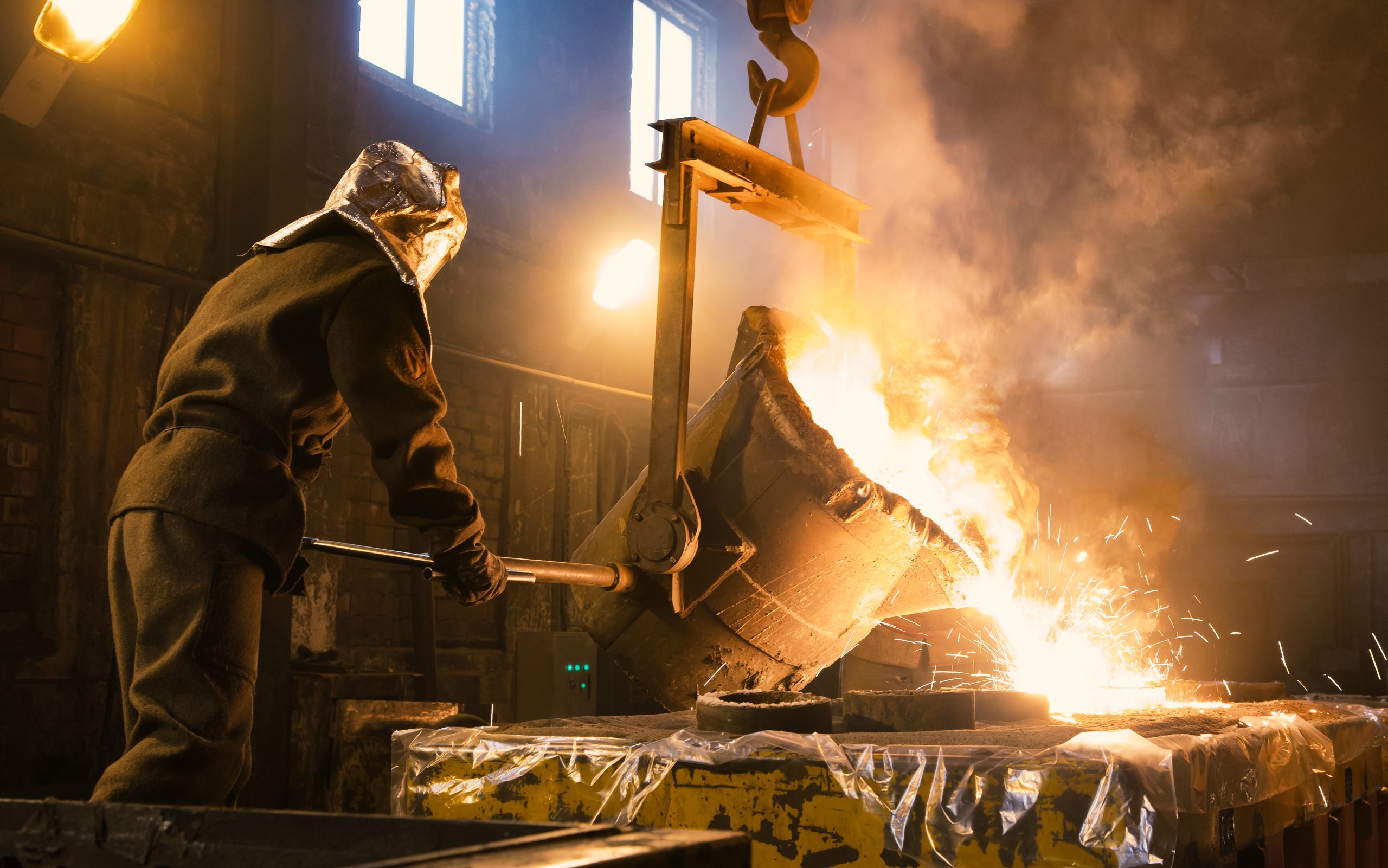
Control of entry and access to high-risk areas (such as smelting furnaces, rolling mills, and foundries).
Organization of health, safety, and specialist training (for work in high temperatures, crane operation, and work in ATEX zones).
Management of permits for hazardous work (such as welding, cutting, electrical work, and furnace maintenance).
Reporting of incidents, machine failures, leaks, and potentially accident-related events.
Logistics of raw material supplies (such as ore, scrap, coke) and shipment of metallurgical products (such as sheets, bars, and profiles).
Employee participation in continuous improvement processes (such as production optimization and reduction of material and energy losses).
Provision of an anonymous channel for reporting environmental, ethical, and health & safety violations.
Visualization of failure locations, production zones, and loading points.
LimeBook REJ
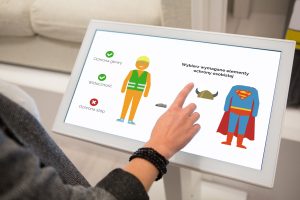
Registers visitors, suppliers, and contractors using QR e-passes, self-service kiosks, and evacuation lists; controls access to critical zones.
LimeBook SZK
conducts occupational health and safety (OHS), environmental, and specialist training (crane operation, work in high temperatures, ATEX); monitors the validity of certificates and reminds about recertification.
LimeBook POZ
Handles permits for hazardous work with a full approval workflow and offline mode, supporting the safety of maintenance and service operations.
LimeBook RAP
Enables reporting of furnace failures, incidents, and potentially hazardous events; supports photos and voice notes, automatically delegates corrective actions, and monitors their completion.
LimeBook YAM
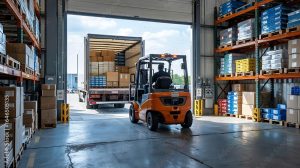
Manages the transport of raw materials and metallurgical products: delivery notifications, vehicle queues, transport prioritization, SMS communication with drivers, and QR identification.
LimeBook SUG
Engages employees in submitting ideas for process optimization, work ergonomics, and reduction of energy and material consumption.
LimeBook SYG
Provides anonymous reporting of health, safety, environmental, and ethical violations, supporting a culture of transparency and compliance.
LimeBook MAP
wizualizuje miejsca awarii, punktów załadunku i stref kontrolnych, ułatwiając audyty, inspekcje i działania prewencyjne.
Summary
The implementation of LimeBook in the steel and metallurgical industry enhances work safety in high-risk environments, streamlines raw material and product logistics, ensures compliance with environmental and legal standards, and fosters a culture of innovation.
As a result, companies in this sector achieve higher production efficiency, reduced costs and risks, and a stronger competitive position.
How to implement LimeBook in your industry?
Contact us. We will create a working group to define the scope of implementation. Together, we will identify the areas of digitization and automation that will deliver tangible business benefits to your organization.